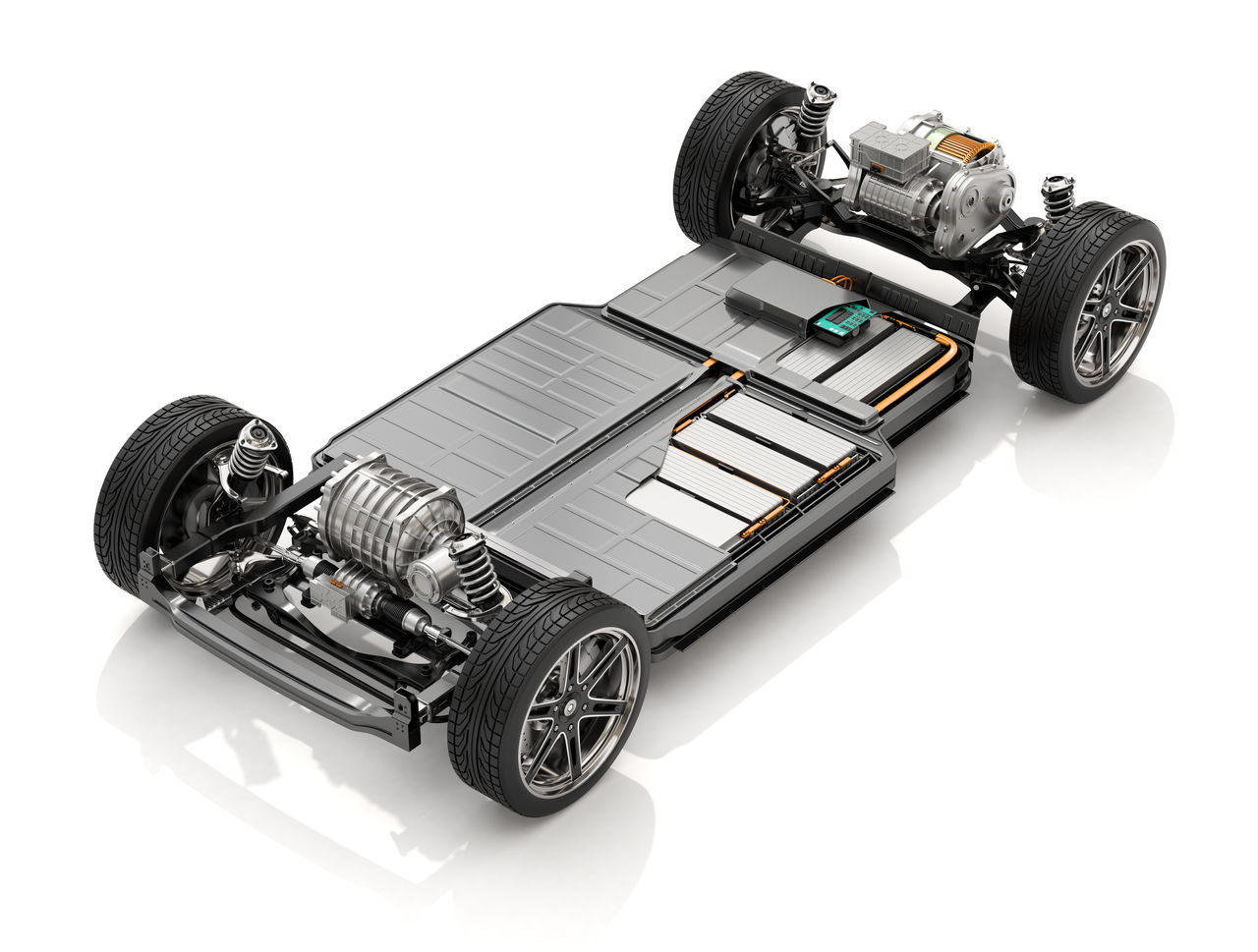
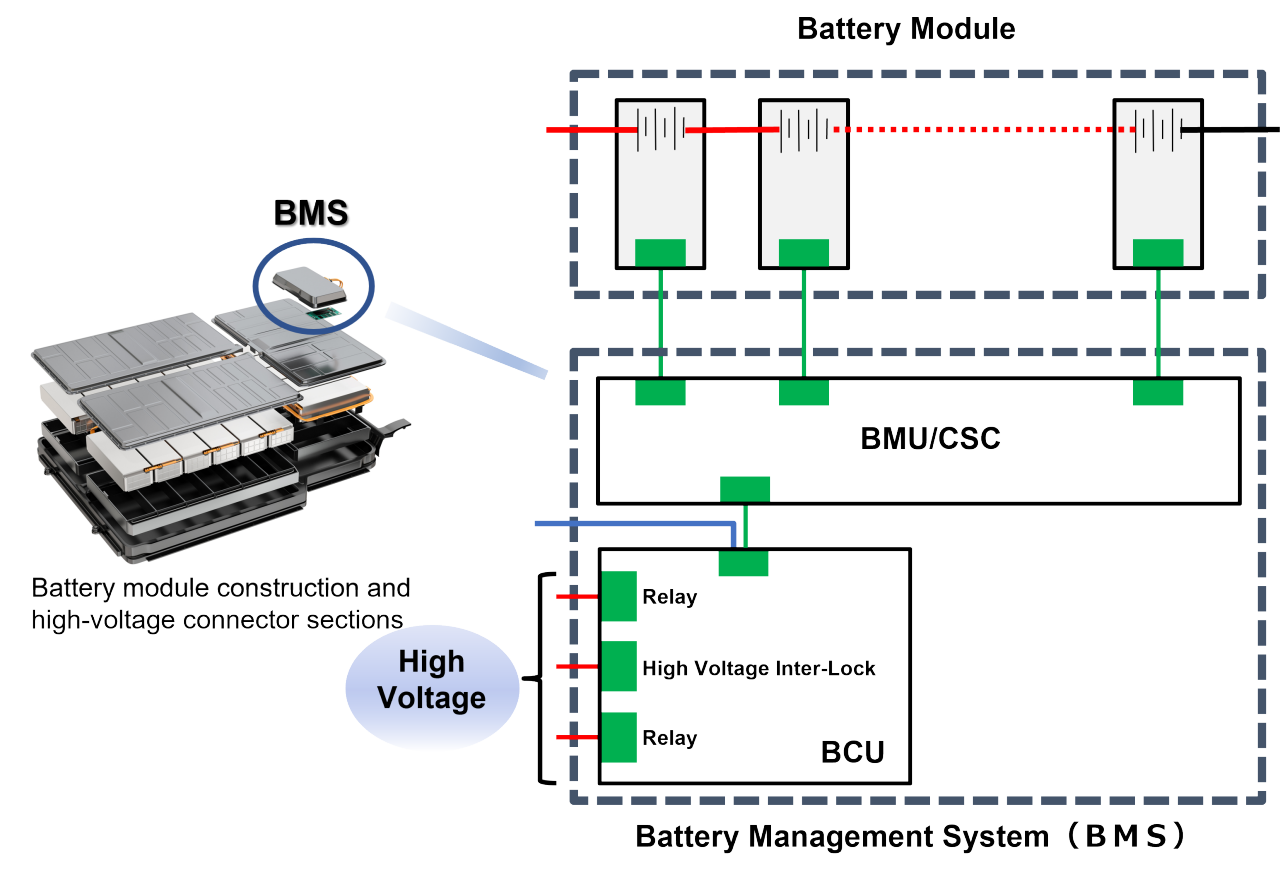
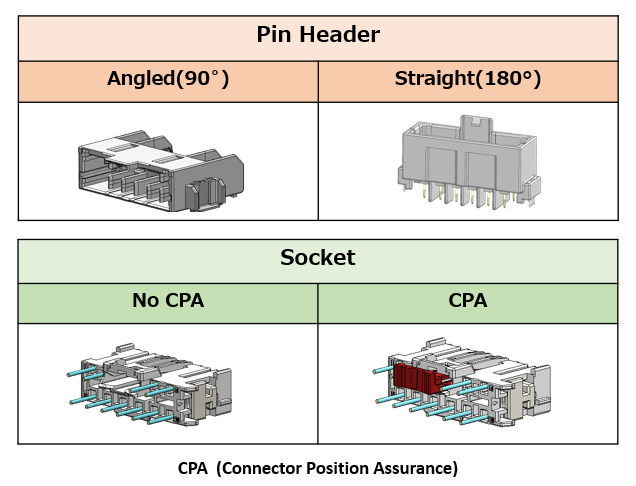
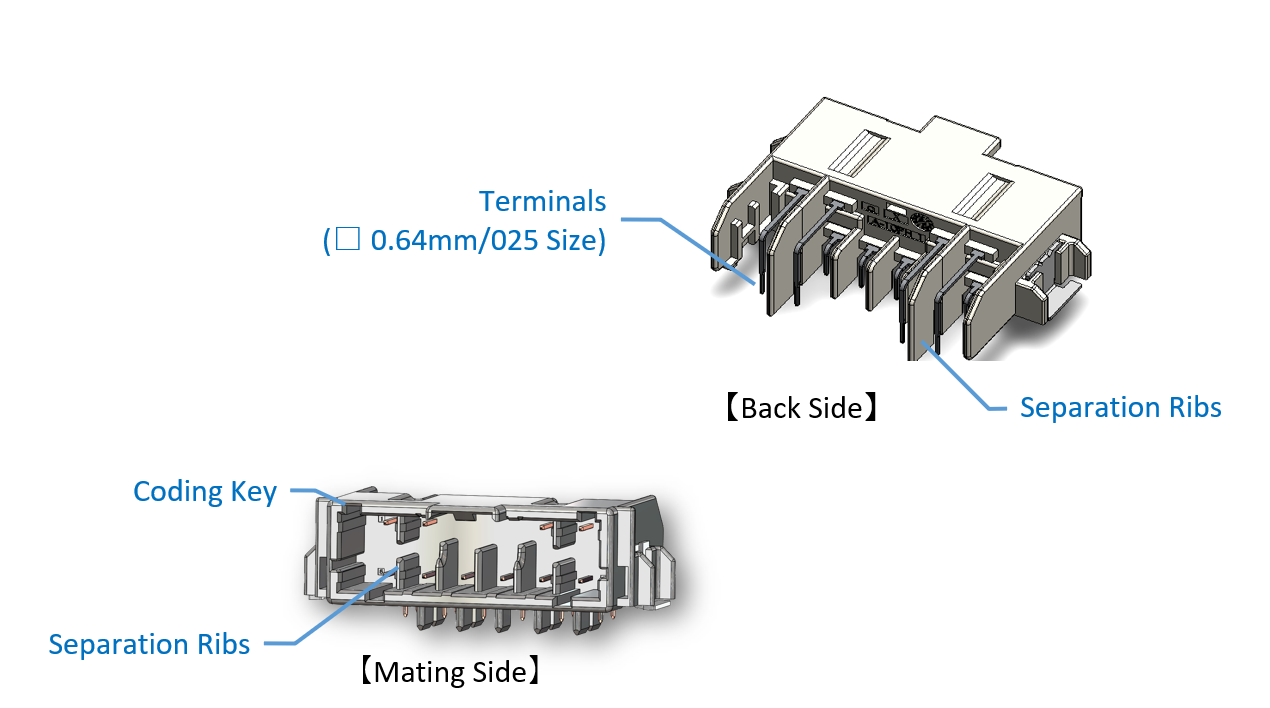
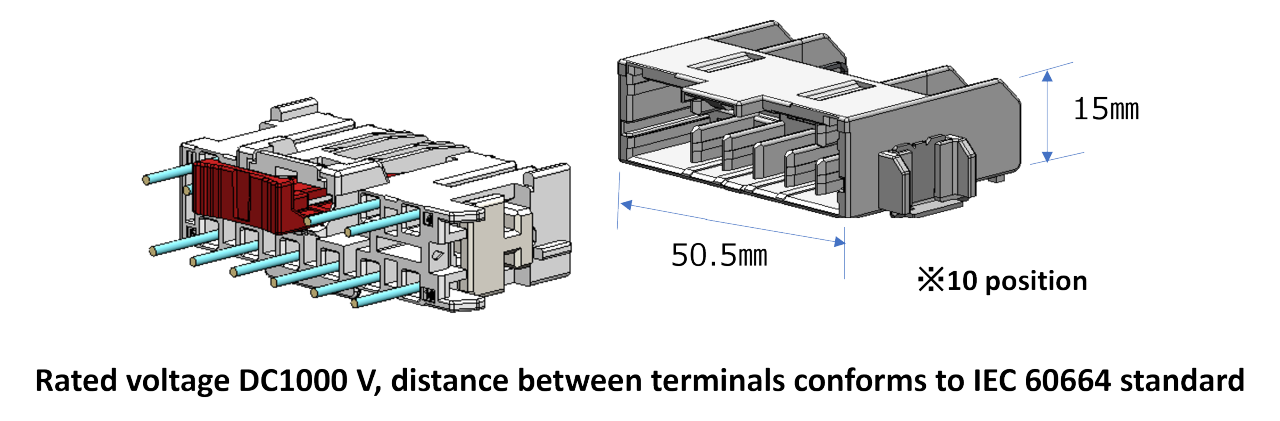
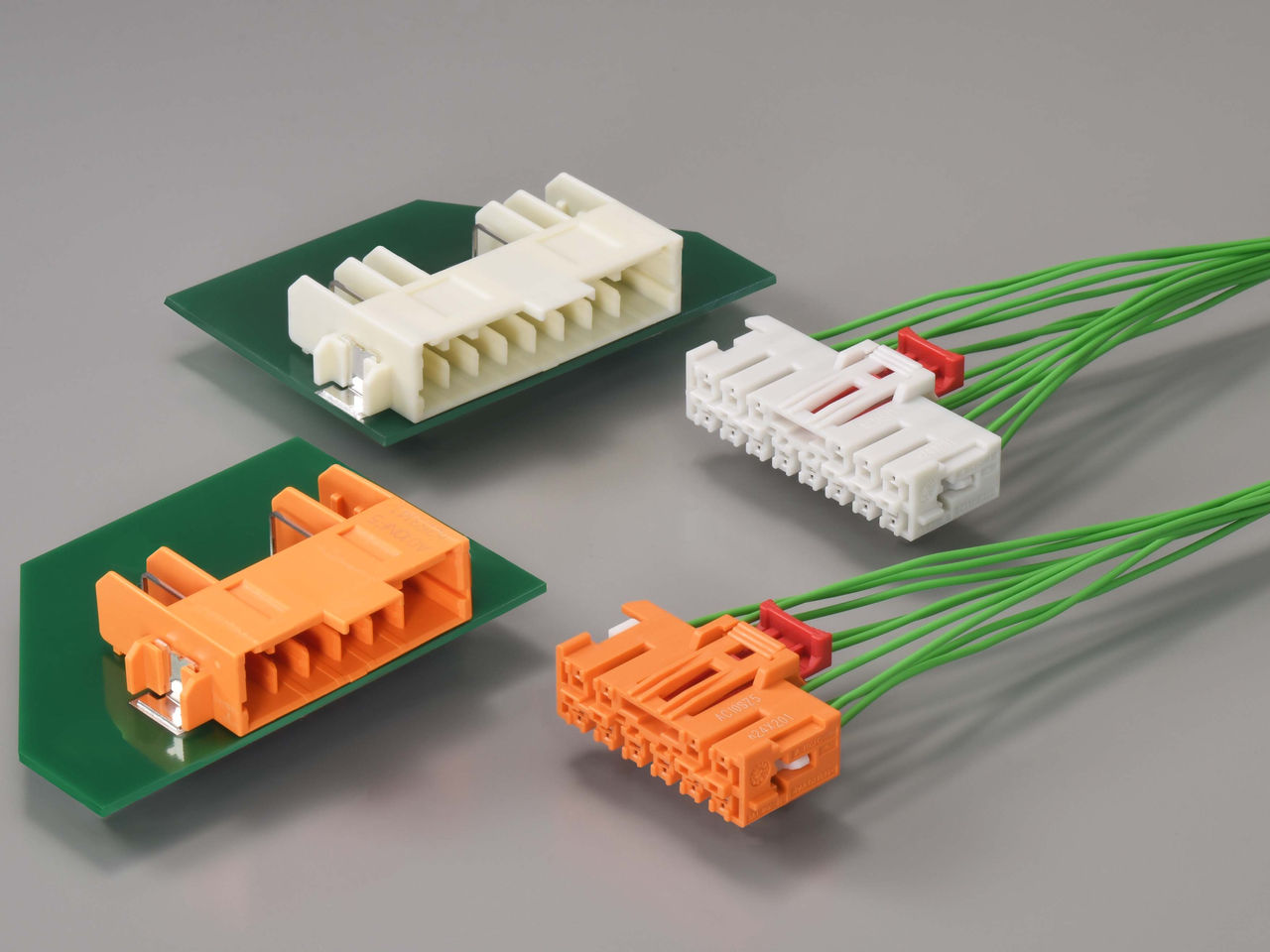
When developing low voltage connector systems, Engineers have always considered factors such as contact resistance and dielectric insulation between terminals, but high voltage connectors call for additional, careful considerations. At high voltages, factors such as creepage and clearance distances come into play. Conditions such as operating voltage, the environment and the type of materials used means that terminal separation calculations are vital. The IEC specification provides a basis of these calculations and unless carefully followed, high voltages and short insulation distances can lead to short circuits and other problems.With the absence of suitable connector solutions in the market, connecting EV battery packs to BCU has been challenging and led to the use of far less than satisfactory solutions being adopted. For example, by using high-voltage connectors from industrial machinery or home appliances being used with pins removed. Alternatively, by using existing low-voltage connectors, but to meet the creepage and clearance distance requirements, some terminal cavities have remained empty. An extremely inefficient solution from the geometric size viewpoint. For high-voltage connectors, such as those for industrial machinery and home appliances, the maximum voltage remains limited and suited to 600V battery packs.For some time, there has been a market gap for automotive connectors that offer both full compliance with the IEC requirements and genuine suitability for harsher automotive environments & specifications. For this reason JAE developed MY05, a connectors series compatible of the 800V - 1,000V specifications necessary for the future EV market. The new design addressed the realization of high-voltage compatibility coupled with miniaturization.In the development of this series, JAE adopted a structure with separation ribs between the terminals for the purpose of reducing the size of the product while ensuring the insulation distance between the terminals. The result is a product that not only addresses miniaturization, but fully conforms to the creepage & clearances distance requirement defined within the IEC design standard.